
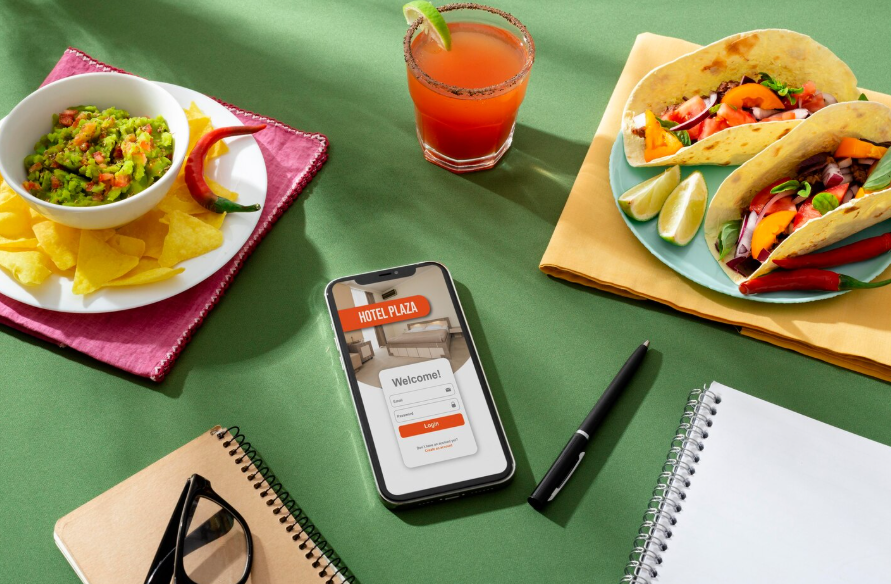
Food has become one of the biggest reasons people travel. For many travelers, tasting a region through its local dishes is just as important as seeing its landmarks. What has changed in recent years is not the desire to eat well abroad, but the way people plan those meals. Digital tools have turned food travel from a game of luck into something you can research, map, and book before you even pack a bag. From review apps to translation software, technology now shapes where travelers eat, what they order, and how they discover hidden spots. This article looks at how these tools are changing food travel and what it means for your next trip.
Why Food Experiences Now Shape Travel Decisions Abroad
Travelers today treat food as a core part of the journey rather than a side activity. Studies of modern tourism consistently show that a large share of travelers choose destinations partly for their cuisine. A trip to Vietnam might be built around street food in Hanoi, while a visit to Italy could center on regional pasta and wine. This shift has raised expectations. People no longer want to stumble into the nearest restaurant and hope for the best. They want authentic, memorable meals that reflect the place they are visiting. Digital tools have grown to meet this demand. They give travelers the confidence to seek out specific dishes, local markets, and family-run spots that guidebooks once kept hidden. As food becomes central to the travel experience, the tools that support it have become essential rather than optional.
Using Review Apps and Maps to Find Local Food Abroad
Review platforms and map apps are often the first tools travelers reach for. Apps like Google Maps, Yelp, and TripAdvisor let people see ratings, photos, and recent reviews before choosing where to eat. Instead of guessing, a traveler can check whether a restaurant is loved by locals or packed only with tourists. Map features add another layer. You can search for nearby food while walking, filter by cuisine or price, and read reviews in your own language. Many apps now highlight popular dishes and busy hours, which helps travelers avoid long waits. The result is a planning process that feels personal and reliable. A traveler in a new city can build a short list of trusted spots in minutes, something that once took local knowledge or pure luck to achieve.
How Social Media Shapes Food Trends for Global Trips
Social media has become a powerful engine for food discovery. Platforms like Instagram, TikTok, and YouTube turn local dishes into must-try experiences that travelers plan around. A single viral video can send thousands of visitors to a small bakery or a street vendor they would never have found otherwise. Travelers now save posts, follow food creators, and build itineraries based on what they see online. This visual approach makes food feel exciting and accessible before the trip even begins. It also helps smaller businesses reach a global audience without a large marketing budget. The downside is that some spots become overcrowded once they go viral. Still, for most travelers, social media offers a steady stream of ideas and a way to see real food before deciding where to go.
Booking Platforms Make Food Experiences Easy to Plan
Beyond finding restaurants, travelers can now book entire food experiences in advance. Platforms like GetYourGuide, Airbnb Experiences, and EatWith offer cooking classes, guided food tours, and meals in local homes. These services remove the stress of arranging activities after arrival. A traveler can reserve a pasta-making class in Rome or a street-food tour in Bangkok weeks ahead, with reviews and prices laid out clearly. Reservation apps also make it easier to secure tables at popular restaurants that would otherwise be fully booked. This level of planning gives travelers more control over their time and budget. It also connects them with local hosts and guides who share stories and context that a menu alone cannot offer, turning a simple meal into a deeper cultural experience.
How Translation Apps Break Down the Language Barrier
One of the biggest challenges in food travel has always been the menu in an unfamiliar language. Translation tools have changed that completely. Apps like Google Translate can scan a menu with a phone camera and show the dishes in your own language within seconds. This helps travelers order with confidence, avoid ingredients they cannot eat, and try dishes they might otherwise skip. For people with allergies or dietary restrictions, this feature is more than convenient. It can be a matter of safety. Translation tools also help travelers talk with vendors and staff, which makes the whole experience friendlier and more open. By removing the language barrier, these apps let travelers explore local food with far less hesitation and a lot more curiosity.
Frequently Asked Questions About Food Travel Tech
Which app is best for finding food abroad?
Google Maps is the most reliable all-round option because it combines reviews, photos, and directions. For deeper local reviews, TripAdvisor and Yelp also help, depending on the country you are visiting.
Are food tours worth booking in advance?
Yes, popular tours often sell out, especially in busy seasons. Booking ahead secures your spot and usually gives you better prices and more choice of times and guides.
Can translation apps really read foreign menus?
Yes. Apps like Google Translate use your camera to translate printed menus in real time. They are not perfect, but they are accurate enough to help you order with confidence.
How do I find authentic food, not tourist spots?
Look for places with reviews written in the local language, check where residents eat rather than only tourists, and follow local food creators on social media for trusted recommendations.
The Future of Planning Food Experiences While Abroad
Digital tools have transformed food travel from a hopeful guess into a well-planned adventure. Review apps, social media, booking platforms, and translation software now work together to help travelers find, understand, and enjoy local food with ease. These tools do more than save time. They open doors to authentic experiences that were once reserved for those with insider knowledge. As technology keeps improving, planning food experiences abroad will only become smoother and more personal. The best advice is to use these tools as a guide, not a script. Leave room for surprise, because some of the finest meals abroad are still the ones you never planned.
